

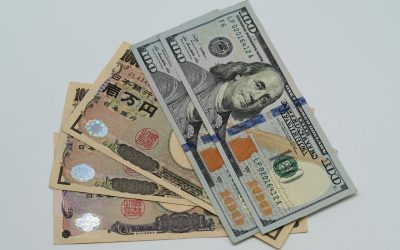
Japan’s current account surplus fell to 2.37 trillion yen in September 2026, down sharply from 4.38 trillion yen a year earlier. Market expectations had been for a surplus of about 3.35 trillion yen, so the result was a clear miss.
Background
The current account is the broadest measure of trade and investment flows with the rest of the world. In the first half of fiscal 2026, Japan’s trade surplus was little changed at 17.15 trillion yen, compared with 17.22 trillion yen a year earlier.
The September reading comes in the same week that the government disclosed its record yen-buying intervention. A weaker yen makes imports more expensive, which is one reason the trade balance matters for Tokyo’s currency policy. See our household spending report for the domestic side of the economy.
Sources: Trading Economics, Japan current account (10 November 2026); Government of Nova Scotia, Japan current account and trade balance, September 2026 (10 November 2026).
Related: Japan Discloses Record 7.98 Trillion Yen Purchase to Shore Up the Currency · Japan Keeps Its US Trade Deal Intact After the Tariff Ruling · China’s Export Curbs on Japan Put Rare-Earth Supply Chains Under Strain
Looking ahead
Also read: Mizuho and SMFG Raise Profit Forecasts and Expand Buybacks · Japan Producer Prices Rise 7.1% in October, Beating Forecasts · Japan’s Economy Shrinks 0.1% Annualised in July–September 2026


 Household Spending Falls 6.8% in September, the Steepest Drop Since 2020
