

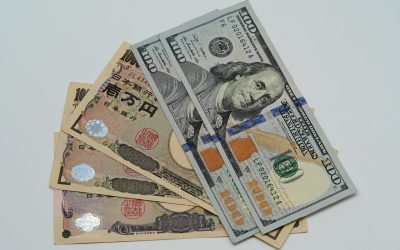
Why did the yen cross 160 per dollar?
The dollar-yen exchange rate breached 160 yen during morning trading in Tokyo, marking a notable deterioration in the yen’s position and rekindling concerns among Japanese policymakers and exporters about the currency’s trajectory. The move represents a roughly 3–4 yen depreciation from levels seen earlier in May, when the yen had briefly stabilised following verbal warnings from Japan’s Ministry of Finance. Currency strategists attributed the yen’s slide to a combination of geopolitical risk aversion and the persistent interest-rate differential between the United States and Japan. While the U.S. Federal Reserve has maintained elevated benchmark rates, the Bank of Japan’s policy rate remains comparatively low despite expectations of a further hike at its June 16 monetary policy meeting. That gap continues to make yen-denominated assets less attractive to yield-seeking investors.How could the weak yen affect households and importers?
Japan’s Ministry of Finance has previously intervened in currency markets to arrest sharp yen moves, spending trillions of yen in 2024 to defend the currency when it last breached the 160 level. Senior officials have repeatedly stated that Japan will take appropriate action against excessive or disorderly foreign exchange movements, though the definition of “excessive” has never been formally quantified. As of Wednesday morning, no intervention had been confirmed. For Japanese exporters such as Toyota Motor Corporation, Sony Group, and Fast Retailing — parent company of Uniqlo — a weaker yen inflates the yen value of overseas earnings when repatriated, offering a short-term earnings tailwind. However, import-dependent sectors, including energy and food, face rising costs that can feed through to consumer prices and erode household purchasing power. Japan’s headline inflation has remained above the Bank of Japan’s 2 percent target for over two years, and currency-driven import-cost increases could complicate the central bank’s efforts to normalise monetary policy gradually. Analysts at major financial institutions expect the BOJ to weigh the yen’s weakness alongside domestic wage and price data when deliberating its June rate decision. Whether the 160 level proves a temporary overshoot or a sustained new range will depend heavily on how Middle East tensions evolve and on any signals from the Federal Reserve regarding the pace of U.S. rate cuts.Also read: Berkshire Hathaway Raises ¥182.3 Billion in Yen Bond Sale · Mizuho and SMFG Raise Profit Forecasts and Expand Buybacks · Bank of Japan Board Members Split on Pace of Next Rate Increase


 SoftBank Dethrones Toyota as Japan’s Most Valuable Company in AI-Driven Rally
