

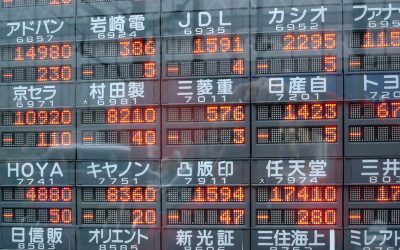
Japanese stocks finished a strong week in mid-August 2026, and the broader TOPIX index closed at a new record high. The Nikkei 225 gained 0.3% to 68,539.12 on the final day, rising 4.1% over the week, while TOPIX climbed 3.2% for the same period.
The rally unfolded even as the yen weakened. The currency gave back roughly half of the gains it had made in late July and early August, and its slide pushed the week’s losses to about 1% after authorities did not step in again to support it.
Why a weaker yen can lift Tokyo shares
Many large Japanese manufacturers earn a significant share of their profit overseas. When those earnings are converted back into yen, a weaker currency inflates the figures, which tends to support share prices in export-heavy sectors. A stronger yen squeezes the same companies.
The Bank of Japan adds another layer. Its policy has kept real interest rates in negative territory even though inflation has accelerated, partly because of a weaker currency and higher imported energy costs. Traders are watching for any signal about when that stance might change.
What to watch next
For overseas investors, the yen remains the key variable. A falling currency makes Japanese equities cheaper for dollar-based buyers, but it also reduces the value of returns once they are converted back. Readers following currency policy can read our Trade and Currency coverage, while our Economy and Finance sections track the wider picture.
Source: Ticker Market Updates, Tokyo, 14 August 2026.


 Average New Condo Price in Greater Tokyo Passes 100 Million Yen
